Three Misunderstandings about Personal Trainers

September 18, 2023

A jagged dark mass curves beneath a bright, white background.

Three Misunderstandings about Personal Trainers

Based on my own experience and everyday conversations, here are three common misunderstandings about the profession of personal training.

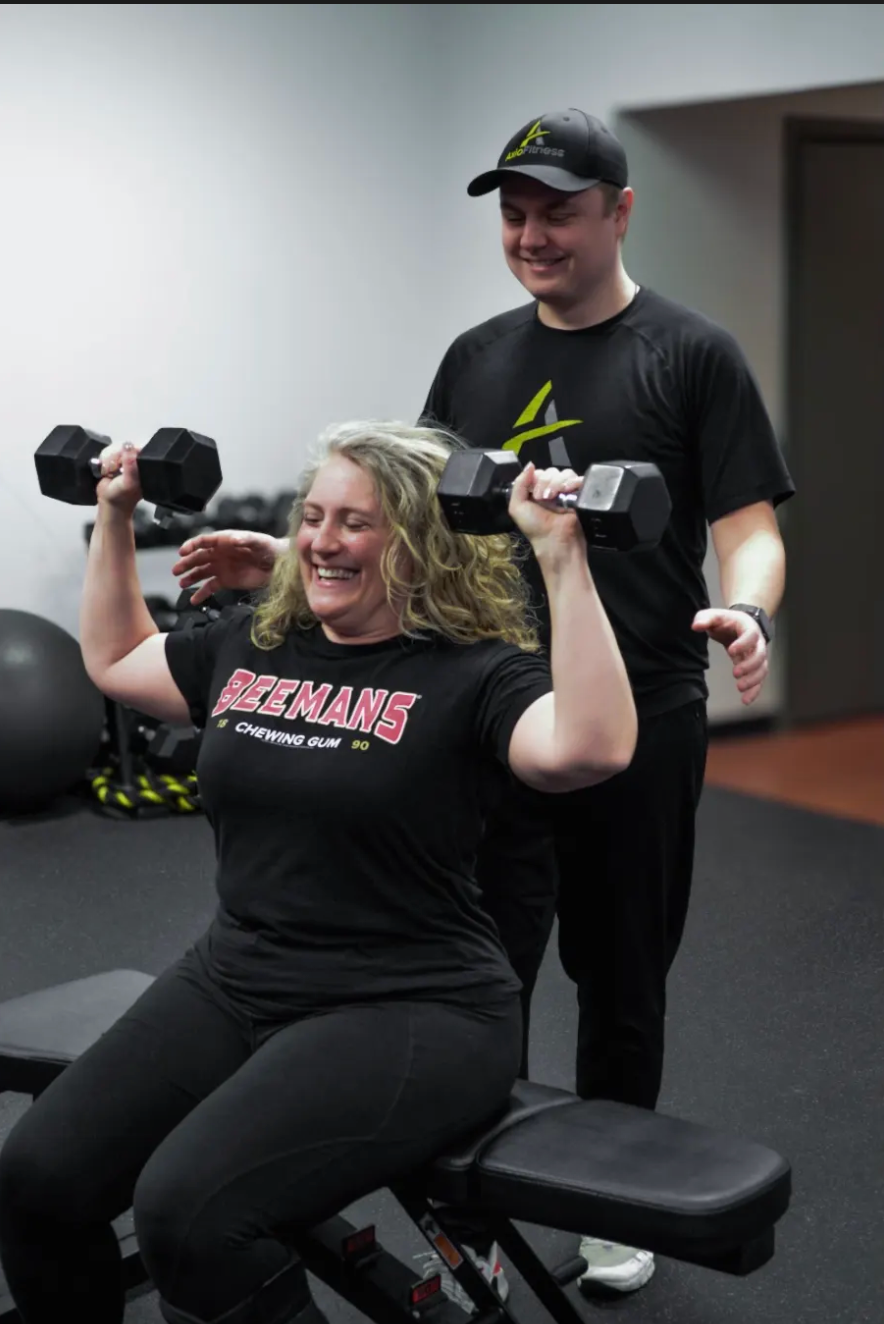
1.    Personal trainers get to work out all day: Whenever someone learns that I’m a personal trainer, they usually say something like, “You’re lucky you’re a personal trainer and you get to work out all day.” But really, personal trainers do not work out all day. They spend all day watching other people work out. Sure, they are usually actively standing, spotting, moving weights and equipment around. But they aren’t exercising. Just like our clients, our trainers need to make time in their busy schedules for their own workouts. Therefore, they can tell you how to be disciplined when you aren’t always feeling motivated or energized to go workout after a long day of work.

2.    Personal trainers never eat bad: Many clients will also say, “I know you don’t eat that stuff” when the topic of fast food, fair food, or dessert comes up. The truth is our personal trainers all eat that stuff regularly. They just know how to do it in moderation and within the calories and macronutrients they need throughout the week. Eating junk food in moderation is another thing that isn’t always easy for our trainers, but something they stay disciplined to because of their convictions. They can help you learn how to stay disciplined too.

3.    Personal trainers cannot relate to their clients: Many clients believe they have struggles with weight, food, or activity that our trainers cannot relate to. They assume all our trainers are just naturally lean and don’t know what it’s like to have to work for a healthy body. Many of our trainers are married, have children, other jobs or other hobbies. They have a lot of things demanding their time and attention just like the clients. Many of them have also struggled with fluctuating weight, prior injuries or surgeries, or personals stress and anxiety that derails their fitness progress. They certainly can relate to our clients and anything they are dealing with.

At Axio Fitness we have the best personal trainers in the area. They are human just like you, and they understand your struggles. But the thing that makes them the best is that they care. They will empathize with your struggles while also doing their job of giving you the accountability and motivation you need. If you need help getting started on an exercise routine, call Axio Fitness today.


Share Post

Our Recent Blogs

September 29, 2026
Your Resting Metabolic Rate (RMR) represents the total number of calories your body burns at complete rest to carry out basic life-sustaining functions, such as breathing, circulating blood, and repairing cells. Because RMR accounts for up to 75% of your total daily calorie expenditure, finding ways to elevate it is key to long-term metabolic health and weight management. Building lean muscle mass through weight training is the single most effective strategy for permanently boosting your RMR. Muscle tissue is metabolically active, meaning it requires constant energy just to maintain itself. As you increase your muscle mass, your body inherently burns significantly more calories 24 hours a day, even while you sleep. While traditional cardio workouts are great for burning calories during the actual exercise session, they do almost nothing to increase your resting metabolic rate once the workout is over. Resistance training, on the other hand, fundamentally upgrades your metabolic engine. By lifting weights and increasing lean muscle, you transform your body into an efficient, calorie-burning machine long after you leave the gym. Axio Fitness has been boosting RMR’s for hundreds of older adults in the Mahoning Valley for years. If you want help getting started on the proper weight training program for you, we are here to help!
September 14, 2026
The squat is the king of lower-body exercises, but poor form can stall your results or cause injury. Here are three common squat mistakes and quick fixes to improve your technique today. Knees Caving Inward (Valgus Collapse) The Mistake: Your knees collapse inward as you drive up from the bottom of the squat, placing unnecessary stress on the knee joint. The Fix: Screw your feet into the ground and actively push your knees outward so they track in line with your second toe. Heels Lifting Off the Floor The Mistake: Shifting your weight onto your toes causes your heels to rise, reducing power and straining the Achilles tendon. The Fix: Drive your weight back into your heels and mid-foot. If ankle mobility is tight, elevate your heels slightly on small weight plates. Rounding the Lower Back (The "Butt Wink") The Mistake: Losing a neutral spine at the bottom of the movement tucks the pelvis under, stressing the lower back. The Fix: Brace your core like you are about to take a punch, sit back into your hips, and only squat as deep as your form allows without rounding.  Fixing these small cues will protect your joints and help you build strength faster. If you need help with proper exercises for progress, Axio Fitness is here to help.
August 24, 2026
Just like lifting weights strengthens your biceps, getting your heart rate up trains your cardiovascular system. Your heart is primarily made of cardiac muscle tissue, and regular physical activity challenges it to adapt, grow stronger, and operate far more efficiently. When you engage in aerobic exercise—like brisk walking, running, cycling, or swimming—your working muscles require more oxygen. To meet this demand, your heart must pump blood faster and harder. Over time, this consistent workload causes the heart’s main pumping chamber (the left ventricle) to expand slightly and build stronger muscular walls. With each contraction, a conditioned heart can push out a larger volume of blood—a measurement known as stroke volume. Because it delivers more blood per squeeze, it doesn't have to beat as frequently to keep your body supplied with oxygen. Key Benefits of a Stronger Heart Lower Resting Heart Rate: A efficient heart pumps more blood per beat, allowing it to beat fewer times per minute while you rest. Reduced Blood Pressure: Stronger heart muscles pump blood with less effort, reducing force on your arterial walls. Enhanced Endurance: Better oxygen delivery means everyday activities like climbing stairs feel significantly easier. Lower Cardiovascular Risk: Regular exercise improves circulation and helps prevent arterial plaque buildup, drastically reducing the risk of heart disease and stroke.  Investing just 150 minutes of moderate activity a week builds a resilient heart that supports a longer, healthier life.
August 17, 2026
Strength Through Menopause Perimenopause and menopause bring wild fluctuations in estrogen and progesterone. That hormonal roller coaster can cause brain fog, stubborn weight gain, mood shifts, and sleep loss. While cardio is great for endurance, picking up heavy weights is a powerful movement habit for balancing your midlife hormones. As estrogen drops, muscle mass declines and insulin sensitivity decreases. Lifting weights changes the game: Tames Insulin Spikes: Muscle acts as a sponge for glucose. Building lean muscle improves insulin sensitivity, keeping blood sugar stable and reducing abdominal fat storage. Lowers Cortisol: Overdoing cardio sessions can elevate cortisol (the stress hormone), driving weight retention. Short, focused resistance training helps regulate cortisol levels instead of spiking them. Protects Bone Density: Estrogen loss accelerates bone loss. Progressive overload from weights signals your bones to lay down new tissue, keeping osteopenia at bay. Boosts Mood and Human Growth Hormone (HGH): Heavy lifting triggers endorphins and stimulates natural HGH production, improving energy, deep sleep, and mood stability. You don't need to spend hours in the gym. Two to three strength workouts each week will give you the benefits you need. By prioritizing strength over endless cardio, you work with your changing biology rather than against it. Axio Fitness can give you the accountability and direction you need to get started on a strength training routine. 
More Posts

Leave a Reply

Your email address will not be published.

Required fields are marked *

Save my name, email, and website in this browser for the next time I comment.