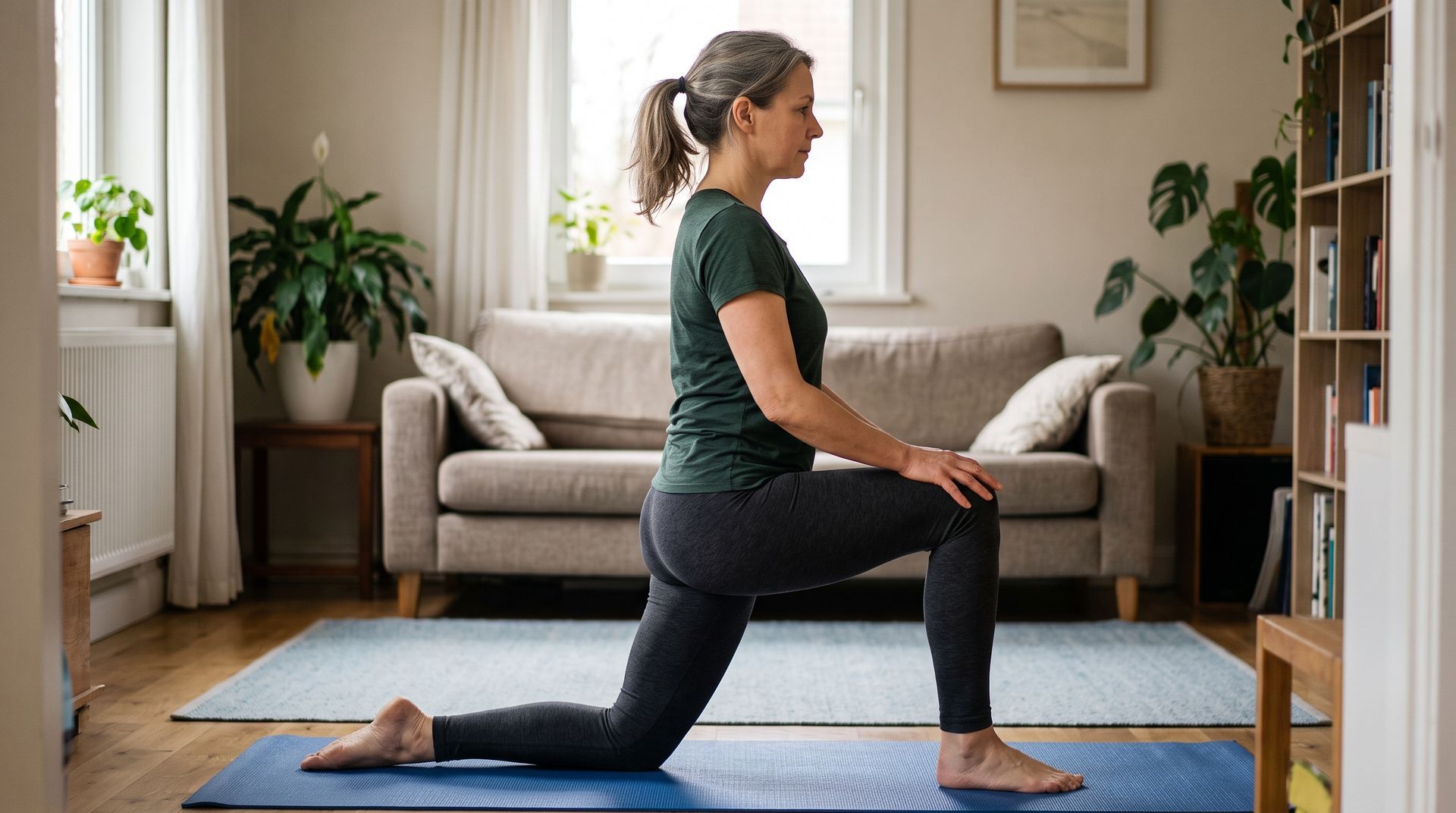
Train Larger Muscle Groups First

June 28, 2023

A jagged dark mass curves beneath a bright, white background.

Your Fitness Goal: Independence 


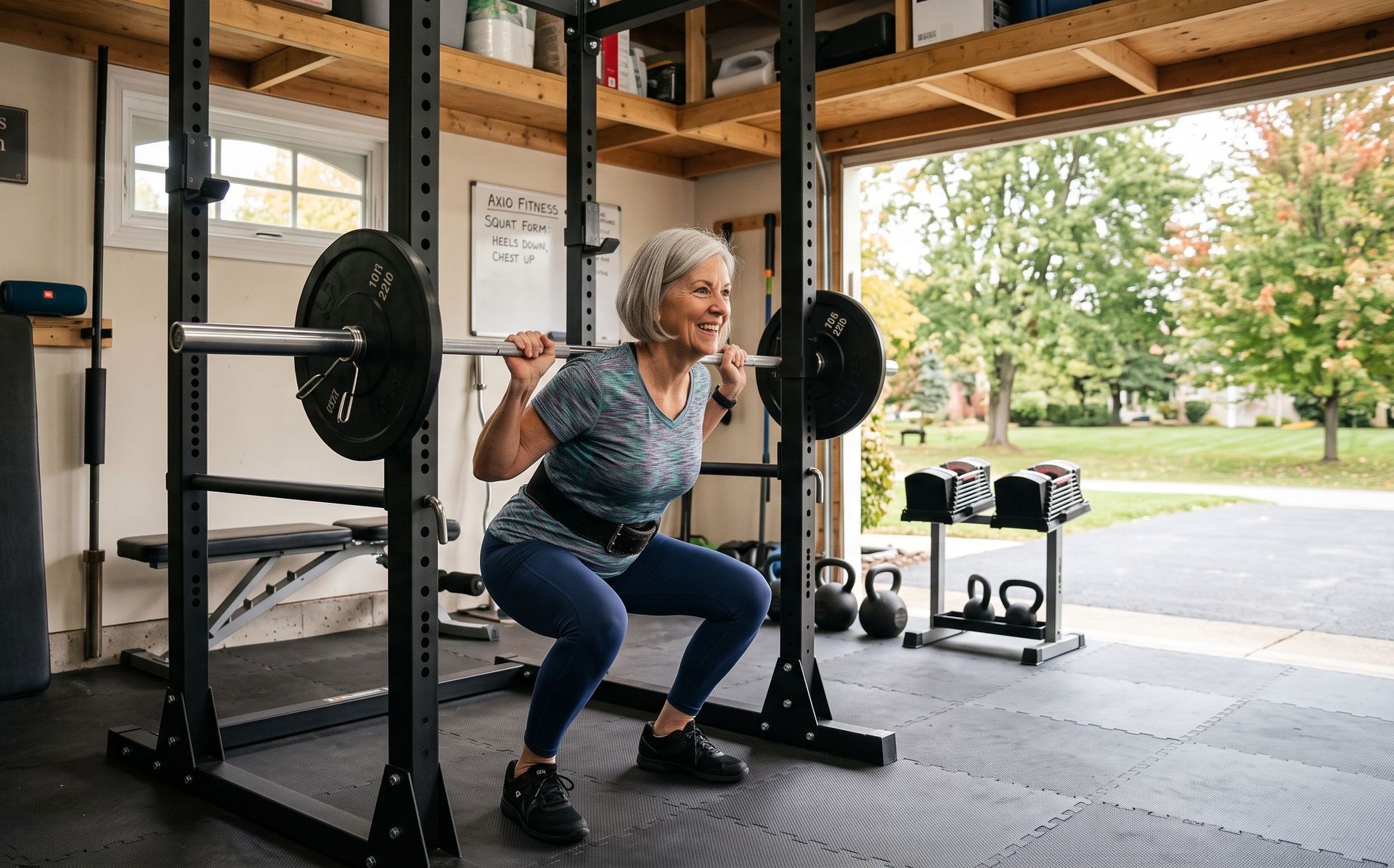
When doing a workout, it is always the best practice to start with larger muscle groups

and multi-joint movements. The largest muscles in your body are your legs, glutes,

back and chest. Multi-joint movements are any exercises that involve more than one

joint during the exercise. 


For example, a dumbbell press is an exercise that works your chest, which are larger

muscles in your body. And it involves your shoulders and elbows, which means it is a

multi-joint movement.


There are several reasons it is a good idea to work larger muscles before smaller ones.

Multi-joint movements are exercises that mimic real life movements. It is best to

ensure you do them regularly, and you work on getting stronger in those movements.

Often these lifts are more complicated, so it is good to start with them before you get

physically or mentally fatigued. 


Working your big muscle groups also requires a lot more energy, which improves your

calorie burn in a workout and your overall fitness and stamina. Compound movements

and exercises that work a lot of muscles at once is a great way to see the best results

 during a set time for exercise. 


Also, if you work smaller muscles first, you can fatigue those muscles and not get the

best performance when working the larger muscles. However, when you exercise your

larger muscle groups, you always engage the smaller muscles and they do get some

 work. 


Isolating smaller muscle groups, such as biceps, triceps or calves, aren’t necessary

unless you have specific goals around muscle tone or unless it is helpful for injury

prevention or corrective exercises. 


If you need a little guidance on your workouts, Axio Fitness is here to help! 


Share Post

Our Recent Blogs

June 22, 2026
Should you grab that iced coffee or pre-workout scoop before heading to Axio Fitness? Caffeine is one of the most thoroughly researched performance enhancers out there, but it is not a one-size-fits-all solution. Here is what you need to know before you caffeinate. The Pros: • Enhanced Performance: Caffeine blocks adenosine (the brain chemical that makes you feel tired), injecting a massive surge of energy into your workout. • Greater Power & Endurance: Studies show it can increase muscle endurance by up to 4% and peak power output by up to 7%. • Sharper Focus: It tunes your mind into the mind-muscle connection, helping you push through those final reps. The Cons: • The Crash: What goes up must come down. Jitters during your workout can easily turn into a mid-afternoon energy slump. • Digestive Distress: Caffeine stimulates your digestive tract, which can cause an upset stomach mid-workout. • Sleep Disruption: If you train in the evening, caffeine can linger in your system for up to eight hours, interfering with your recovery sleep.  If you tolerate it well, around 100 milligrams of caffein about 45 minutes before training can give you an edge. Just listen to your body and keep your late-day sessions caffeine-free! Most importantly, you should consult with your doctor before beginning a workout routine; especially a caffeinated workout routine.
June 15, 2026
We’ve all been there: the day after an intense workout, your muscles are screaming, and the couch is calling your name. While a total rest day feels tempting, parking yourself on the sofa really isn't the fastest way to bounce back. Active recovery, which is performing low-intensity exercise, gets your heart pumping blood to your muscles without straining your muscles. Examples include a light walk, a bike ride or swim. Even a couple hours of house work could help alleviate sore muscles. Instead of shutting down completely, keeping your body in motion serves as a literal flushing mechanism. It boosts blood circulation, delivering fresh oxygen and vital nutrients directly to your damaged muscle tissues. This process actively clears out metabolic waste products like lactic acid, significantly reducing that dreaded next-day soreness. Think of it this way: a total rest day leaves your muscles stiff and tight, like a parked car in the winter. Active recovery keeps the engine idling, preserving your flexibility and joint mobility. Next time you finish an intense training session at Axio, don't just collapse on the couch the next day. Go for a walk and let your movement do the healing! 
June 2, 2026
In his bestselling book Outlive: The Science and Art of Longevity , Dr. Peter Attia introduces a critical concept for anyone looking to extend their health span: Zone 2 aerobic training. While many fitness trends push for high-intensity, exhausting workouts, Dr. Attia argues that the true foundation of long-term health lies in steady-state, moderate-intensity exercise. Zone 2 training is a pace where you can maintain a conversation but would prefer not to. At this level of effort, your body relies almost entirely on fat oxidation, which triggers mitochondrial biogenesis—the creation of new, more efficient powerhouses within your cells. This drastically improves metabolic flexibility, lowering the risk of insulin resistance, type 2 diabetes, and cardiovascular disease. Essentially, it builds a robust cardiovascular engine that supports you well into old age. Although plenty of other studies have proved that high-intensity workouts drastically reduce the risk of developing many chronic diseases, Dr. Peter Attia makes a compelling case as to why prioritizing time in Zone 2 cardio will reap many benefits. At Axio Fitness we are always studying the latest information and trends for our clients. If you need help getting started on an exercise program or cardio plan, Axio Fitness is here to help. We will give you the guidance and accountability you need to see results.
May 18, 2026
With the weather getting warmer and summer coming, there is no better time to take your fitness routine into nature. While we love seeing you crush your goals inside Axio Fitness, stepping outdoors for a hike offers unique physical and mental health benefits that complement your studio workouts perfectly. For starters, hiking is a fantastic cardiovascular workout that naturally incorporates interval training. Navigating inclines and declines builds lower-body strength—targeting your glutes, hamstrings, quadriceps and calves—while uneven terrain challenges and improves your core stability and balance. Beyond the physical perks, spending time in green spaces is proven to lower cortisol levels, reducing stress and boosting your mood. We are so blessed to have Mill Creek Park right in our backyard. Boasting miles of beautiful, diverse trails, it is the perfect local playground to put your fitness to the test. Whether you are looking for a brisk cardio walk on the Gorge Trail or a more challenging trek around Lake Newport, there is a path for every fitness level. Grab your water bottle, lace up your sneakers, and take advantage of the sunshine this week. Your body and mind will thank you! 
More Posts

Leave a Reply

Your email address will not be published.

Required fields are marked *

Save my name, email, and website in this browser for the next time I comment.